
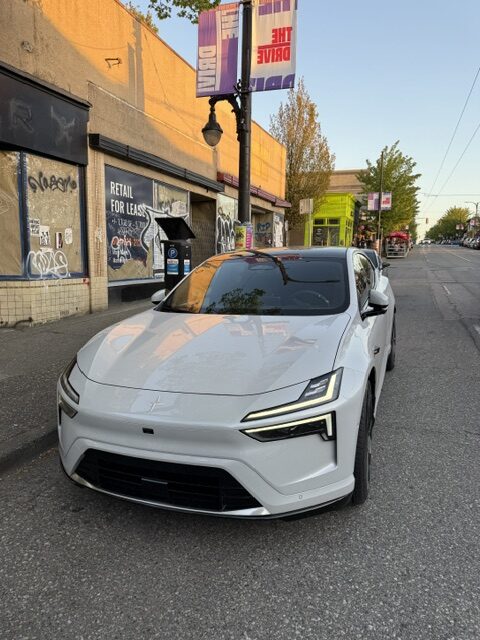
I recently spent a week test driving the 2026 Polestar 4 electric car visiting some new and not so new restaurants in West Vancouver, to New Westminster and beyond.
The electric vehicle market in 2026 feels crowded with lookalike crossovers and incremental upgrades, but the Polestar 4 arrives with a different philosophy. It is not trying to imitate a conventional luxury SUV. Instead, it leans aggressively into Scandinavian minimalism, experimental design, and software-centric driving. Pair that with Vancouver’s evolving restaurant scene where intimate cafés, modern Persian cuisine, seafood-forward concepts, and elevated Mexican dining continue reshaping the city’s culinary identity and you get a snapshot of a city embracing contemporary experiences.
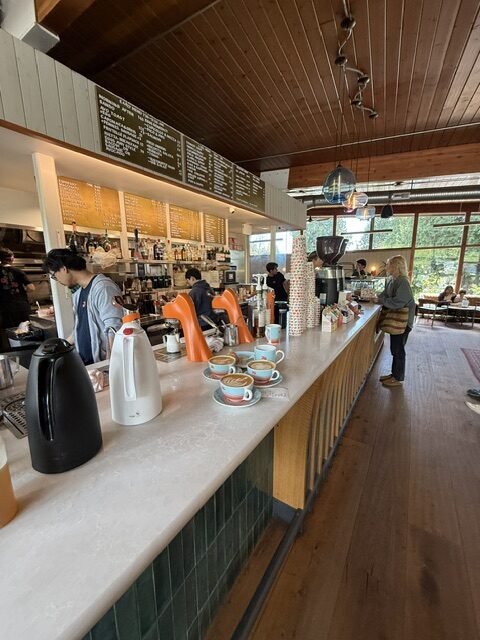
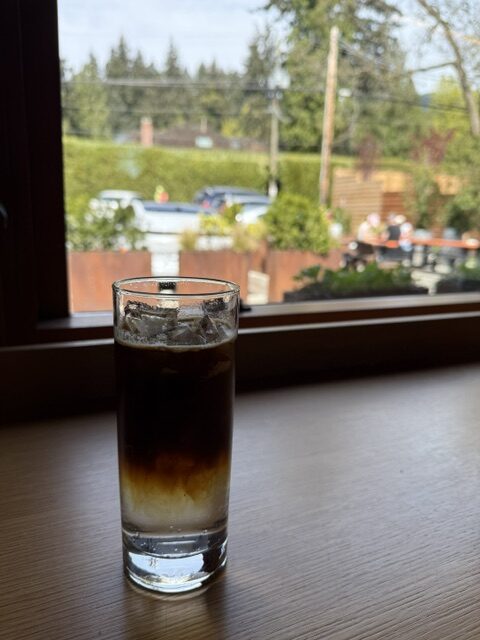
One of the most visually charming stops near the North Shore is Isetta Cafe Bistro. As it was a beautiful spring day, I took a drive along Marine Drive in West Vancouver to this café that blends European café sensibilities with Pacific Northwest scenery. The atmosphere is relaxed but polished, making it equally suited for morning espresso runs, weekend brunches, or remote work afternoons overlooking the water. Its popularity reflects Vancouver’s broader café culture: spaces designed not merely for coffee consumption, but for lingering conversation and lifestyle aesthetics. I had an Espresso Tonic for an afternoon refresher.
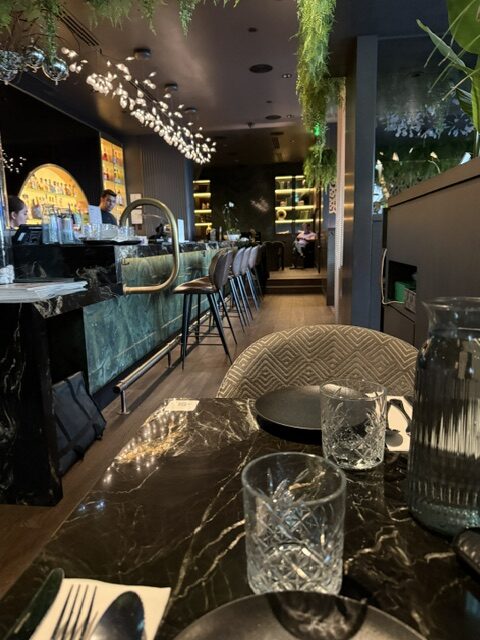
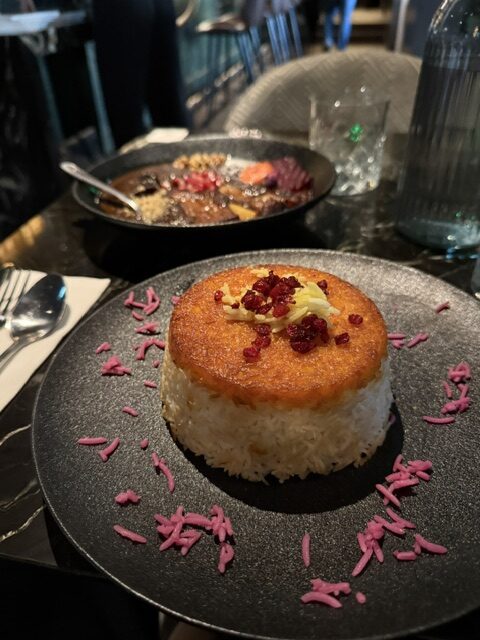
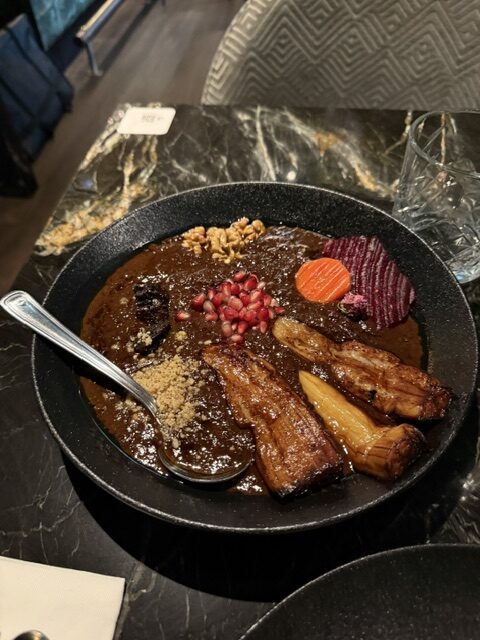
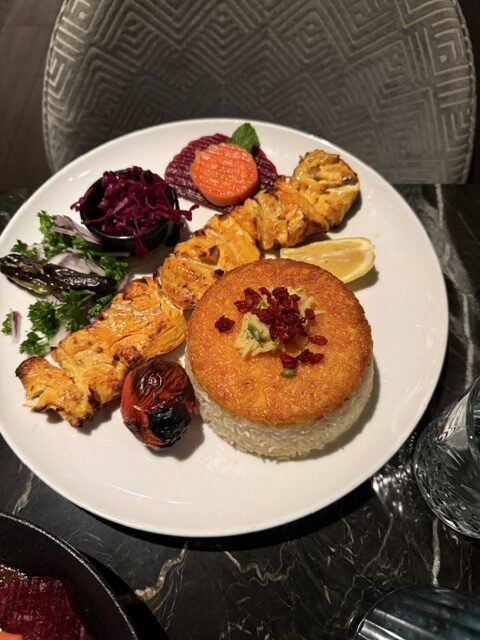
The next day I headed to the Westend for dinner where downtown Vancouver’s dining landscape has recently seen renewed attention toward Persian cuisine, and Miraas Restaurant & Bar on Denman Street represents that movement with a more contemporary approach. The restaurant emphasizes traditional Persian flavors while presenting them in a sleek, modern dining environment. Saffron rice, kebabs, slow-cooked meats, and aromatic spices remain central to the menu, but the execution targets a younger urban audience seeking elevated dining experiences rather than purely traditional presentations. I had the delicious Vegetarian Fesenjoon stew and the Chicken Kebab.
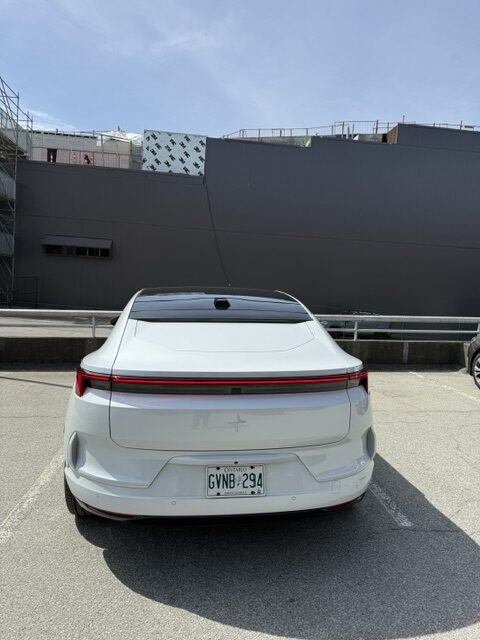
As the Polestar has evolved, what immediately distinguishes the P4 is the absence of a traditional rear window. Instead, Polestar uses a roof-mounted rear camera feeding a digital rear-view display. The design decision improves rear passenger space and contributes to the vehicle’s aerodynamic silhouette, though it remains one of the most debated features among drivers and reviewers.
Underneath the minimalist exterior, the Polestar 4 offers substantial performance. Canadian specifications show two major configurations: a rear-wheel-drive single motor model producing 272 horsepower, and a dual-motor all-wheel-drive version generating 544 horsepower with a 0–100 km/h sprint of just 3.8 seconds. Both variants use a 100 kWh battery pack. Estimated EPA range reaches approximately 499 km for the single motor and 451 km for the dual motor version.
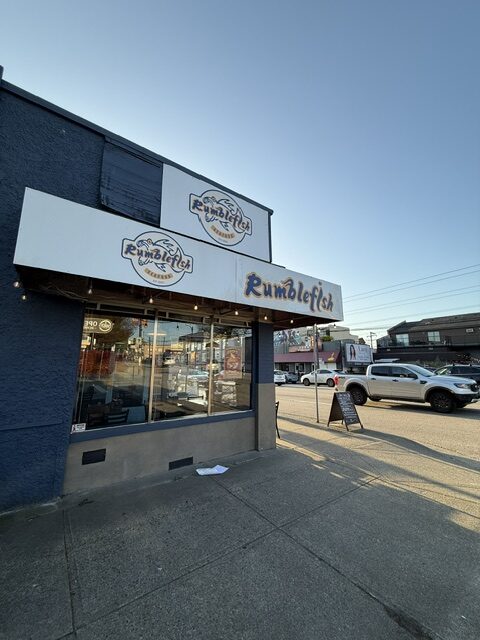
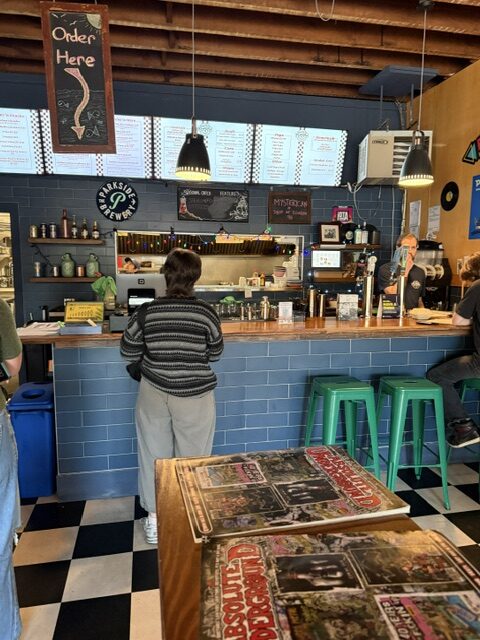
The next day I drove to East Van to Rumble Fish; as the restaurant scene continues pushing creative independent concepts, Rumble Fish Restaurant stands out as an example of seafood done with modern energy instead of conventional fine-dining formality. The restaurant mixes seafood counter aesthetics with approachable urban design, emphasizing freshness and bold flavor combinations rather than traditional white-tablecloth presentation.
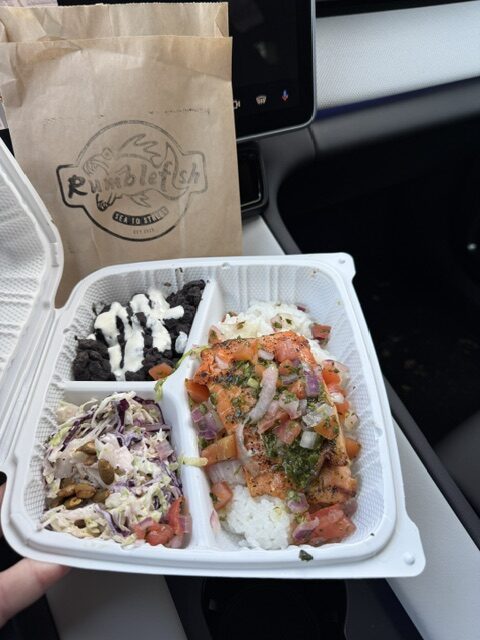
I had the tasty Grilled Salmon with rice and black beans dish for takeout.
Outside Vancouver proper, El Santo in New Westminster has built a reputation for upscale contemporary Mexican cuisine paired with a strong cocktail program. Rather than reproducing traditional taqueria simplicity, El Santo leans toward a social dining format with stylish interiors, elevated plating, and modern interpretations of Mexican classics.
Its success also highlights the growing culinary strength of Metro Vancouver suburbs. Restaurants once concentrated almost exclusively in downtown Vancouver are increasingly emerging in municipalities like Burnaby, Richmond, and New Westminster, creating a broader regional food culture rather than a single urban core.

The cabin reflects Polestar’s now familiar Scandinavian design language. Nearly every interface function routes through the central 15.4-inch touchscreen, supported by Google-based software and over-the-air updates. Early criticism of laggy infotainment and inconsistent software behavior appears to have softened following refinement updates for the 2026 model year. Several reviewers noted improved responsiveness and more polished driving calibration compared with earlier versions.

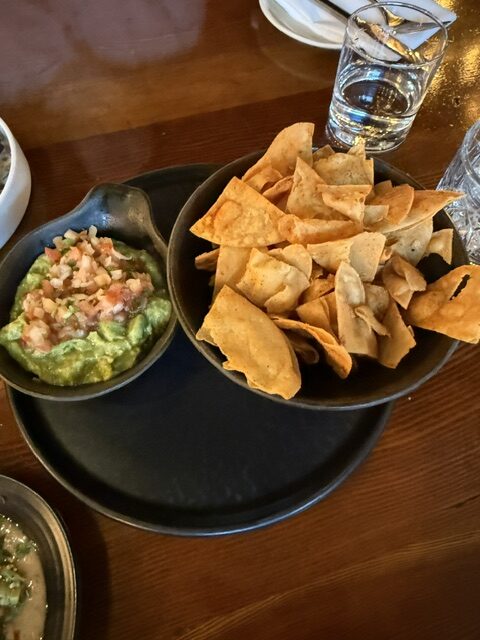
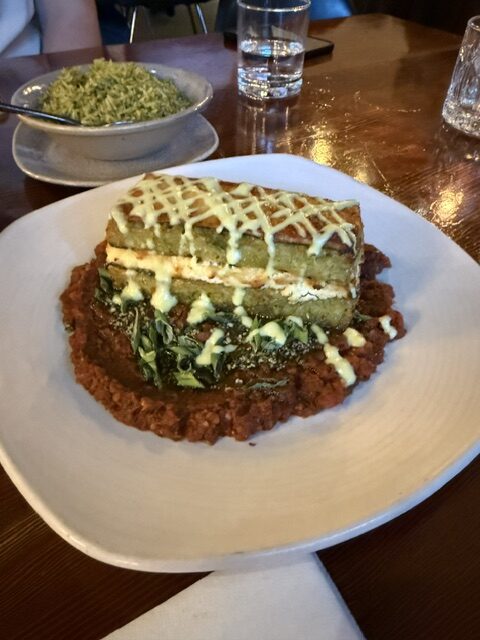
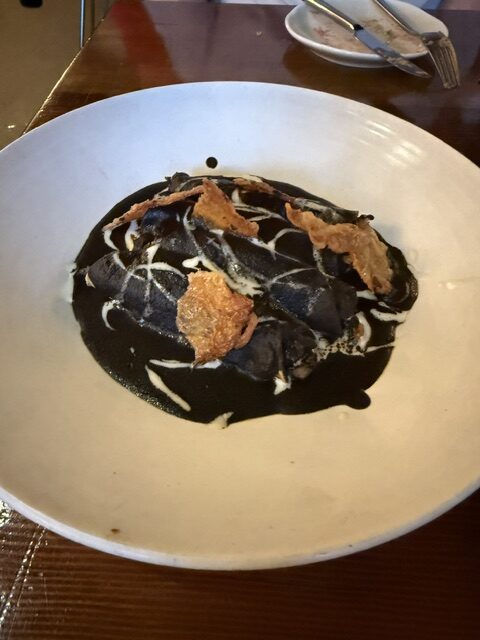
Lawrence joined me for a drive to New Westminster for dinner at El Santo, one of my favourite Mexican restaurants. I don’t get there as often as I’d like. We shared a few appetizers, including the Guac & chips, Ahi tuna, and coffee-roasted beets, followed by a couple of mains: the delicious Enmolada and their version of Chile Relleno.
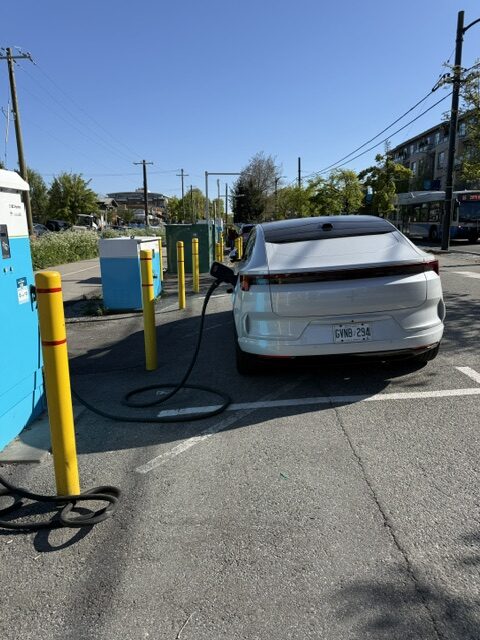
Charging this car features a peak DC fast-charging speed of 200 kW. In real-world terms, you can charge from 10% to 80% in about 30 minutes.
By: Richard Wolak
Disclosure: Polestar Canada provided me with the 2026 Polestar 4 to test drive, and photograph. As always, all opinions and photos are my own.