
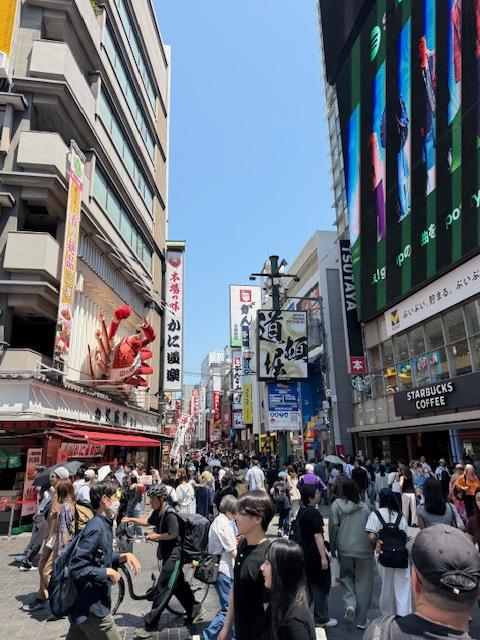
Osaka, Japan’s bustling commercial powerhouse and third-largest city, is a vibrant, down-to-earth metropolis celebrated for its electric street life, warm-hearted locals, and world-famous food culture. Long known as the nation’s “Tenka no Kkitchen” (Nation’s Kitchen), the city is fueled by a passion for kuidaore—the philosophy of eating until you drop with sensory-loaded districts like Dotonbori buzzing with glowing neon billboards, giant mechanical crab signs, and stalls serving up piping-hot octopus balls (takoyaki) and savory cabbage pancakes (okonomiyaki). Beyond its culinary fame, Osaka seamlessly bridges its feudal past and futuristic present; majestic landmarks like Osaka Castle and historic canal waterways stand in striking contrast to the retro-futuristic alleyways of Shinsekai, sprawling underground shopping arcades, and a world-renowned comedy and nightlife scene that gives the city its unapologetically energetic, welcoming spirit.
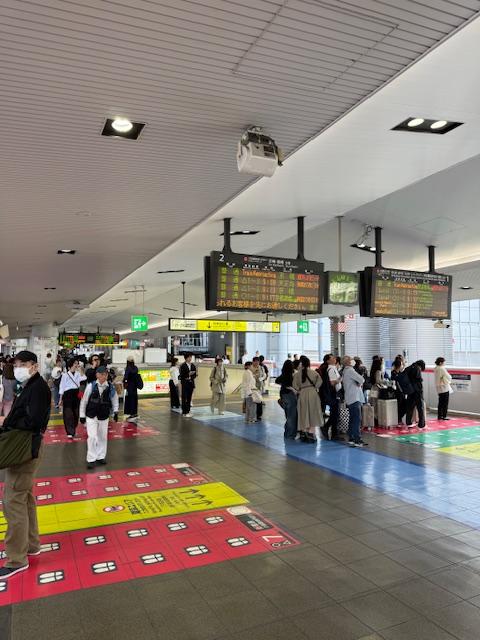
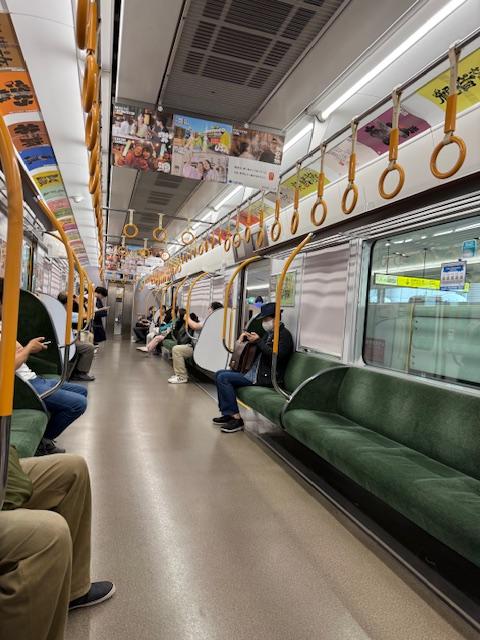
Osaka-Umeda as Northern Osaka’s primary commercial, transport, and entertainment epicenter, Osaka-Umeda is a sprawling high-density district defined by towering skyscrapers, multi-level underground shopping labyrinths, and interconnected transit terminals. Serving as the primary gateway to Kyoto, Kobe, and Tokyo, the area seamlessly blends intense business hub energy with cutting-edge lifestyle complexes like Grand Front Osaka, HEP Five, and the newly developed Grand Green Osaka parklands. From high-end luxury department stores and Michelin-rated dining to cozy alleyway izakayas, Umeda embodies the modern, fast-paced heart of Osaka’s urban scene.
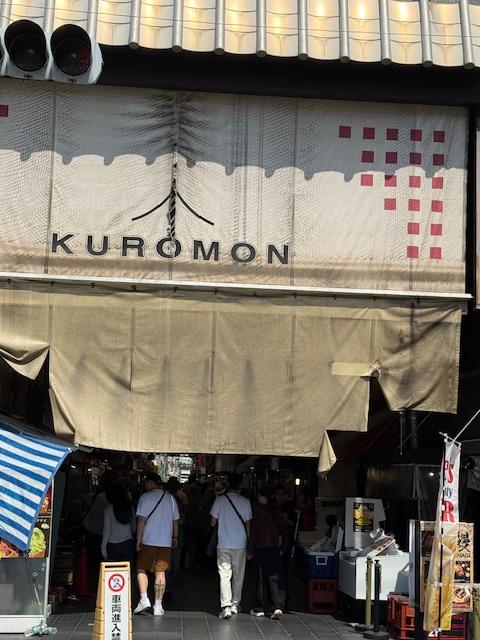
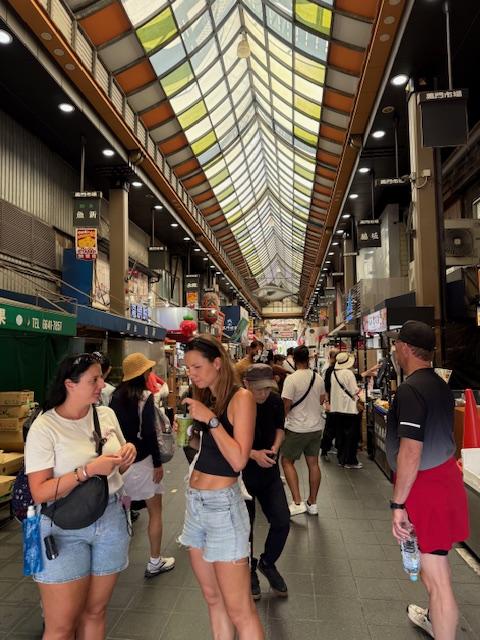
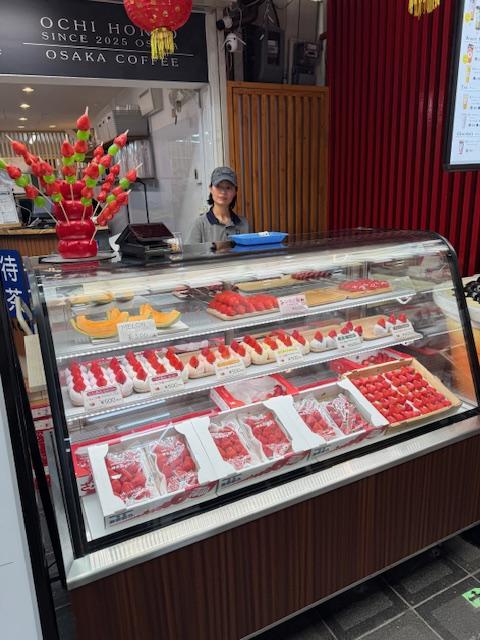
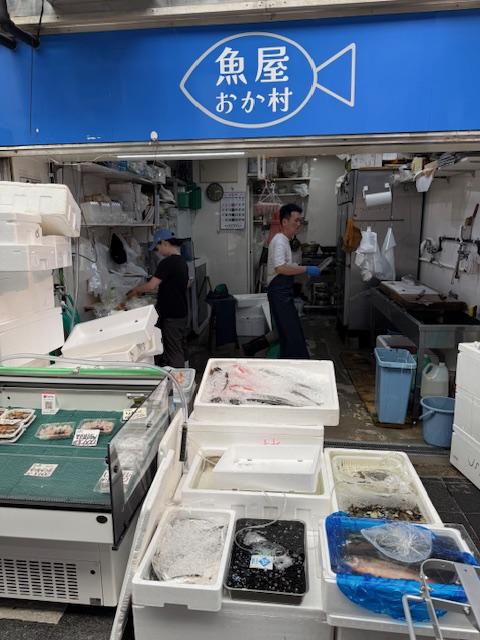
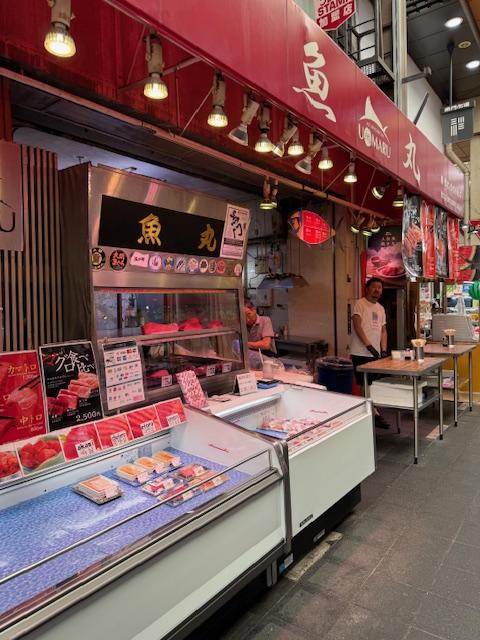
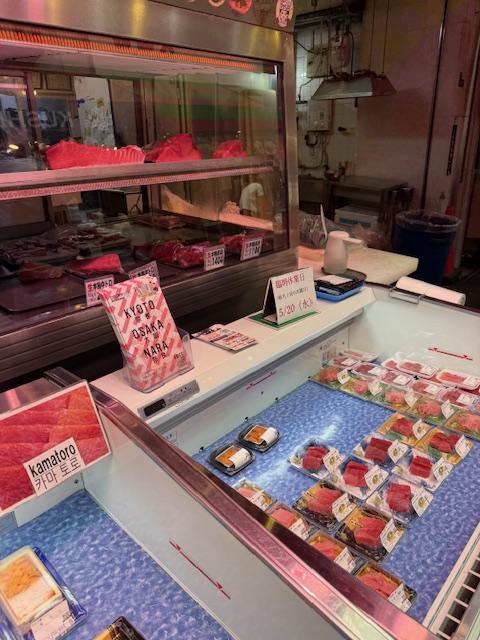
We were on a walking tour and visited the Kuromon Market (Kuromon Ichiba), affectionately known as “Osaka’s Kitchen” (The Nation’s Kitchen), is a covered shopping street spanning about 580 meters in the city’s lively Minami district. Originally established over a century ago as a wholesale hub supplying the city’s professional chefs, this lively arcade houses approximately 150 stalls renowned for their ultra-fresh seafood, high-grade marbled Wagyu beef, and seasonal produce.
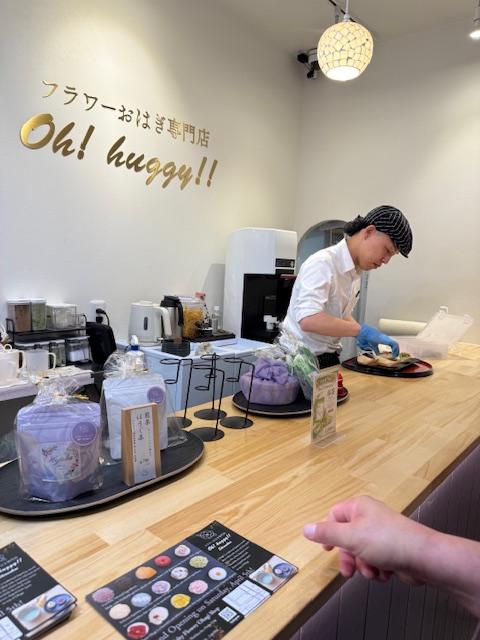
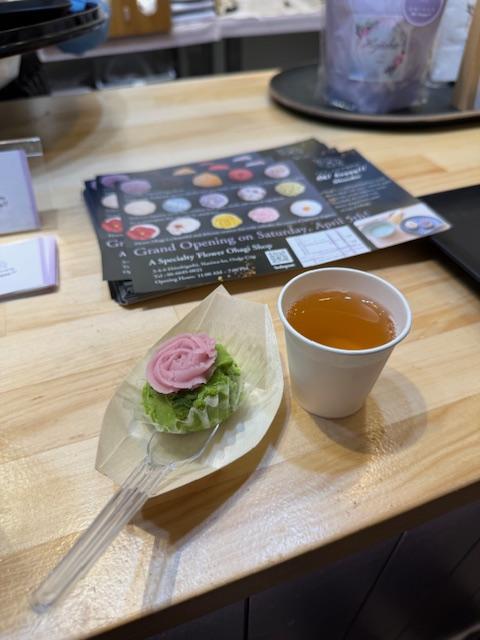
While in the market we visited a special flower Ohagi shop for Matcha ice cream. Just minutes from Nippombashi Station, the market offers a vibrant, sensory-filled introduction to Osaka’s rich culinary culture, making it an essential morning or lunchtime stop for food lovers.
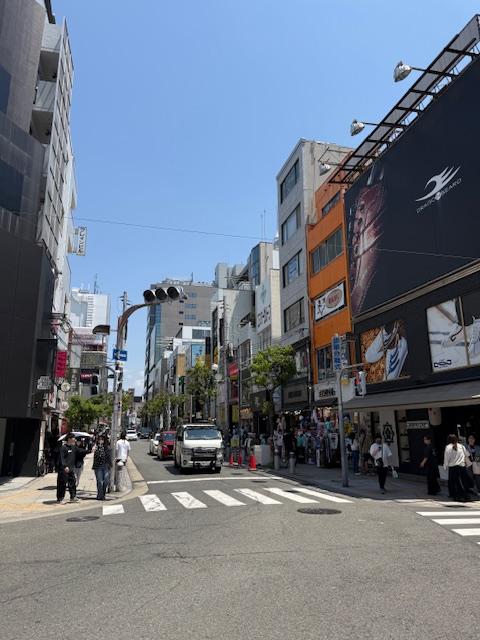
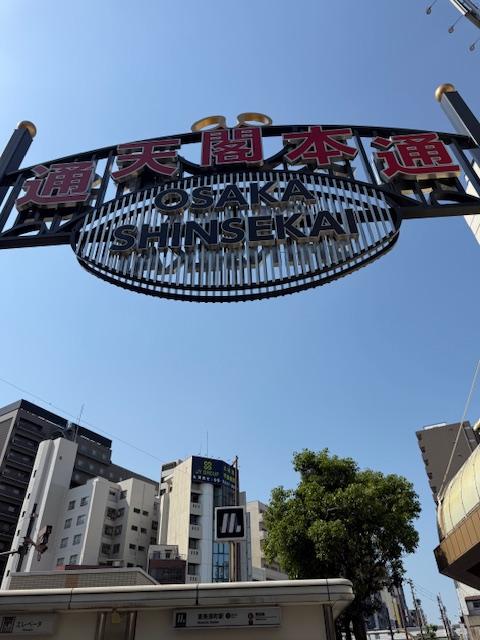
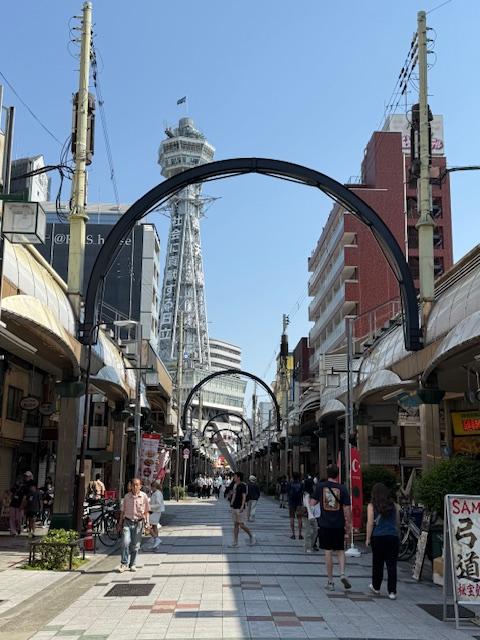
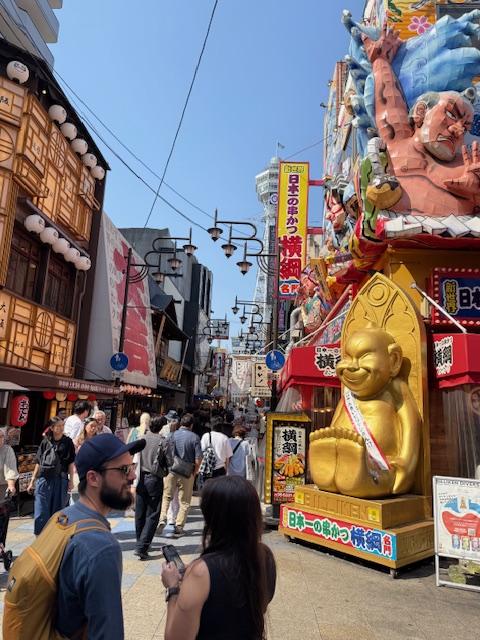
Our tour continued and we visited the famous Osaka Castle, Shinsekai, Dotonbori, Shinsaibashi, and surrounding districts. Walked through markets, temples, shopping streets, and back alleys.
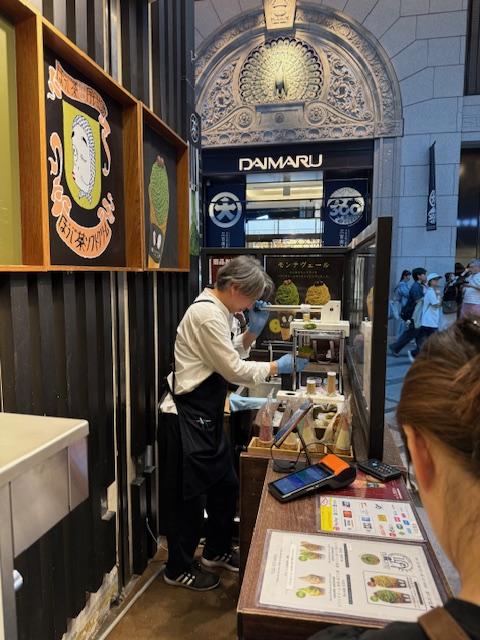
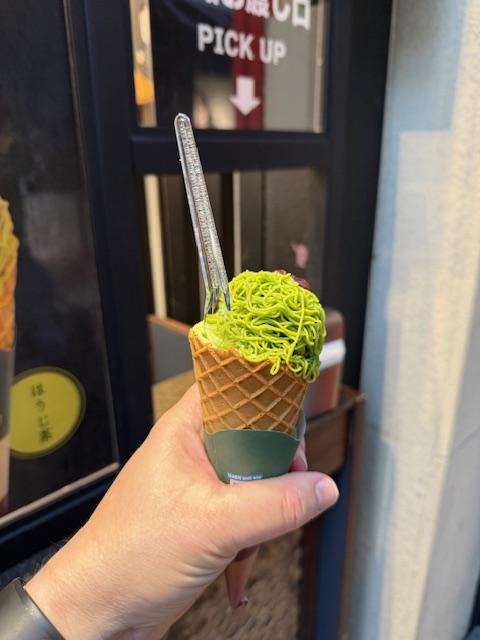
Had the signature matcha ‘noodle’ soft serve cone.
Had dinner at Hakkakuan perched high on the 16th floor of the South Gate Building in Osaka Station City (Lucua South), Hakkakuan offers a refined tofu and yuba (tofu skin) kaiseki dining experience centered around regional Kyoto culinary traditions. Sourcing premium Kyoto ingredients, the restaurant specializes in seasonal multi-course meals featuring delicate soy milk shabu-shabu, freshly skimmed yuba prepared tableside, and complimentary unlimited refills of freshly made, silky oboro tofu. With warm wooden aesthetics, semi-private rooms, and elevated views overlooking the urban skyline, it provides a peaceful, health-conscious sanctuary for travelers seeking traditional Japanese flavors right in the heart of the city’s main transit hub.
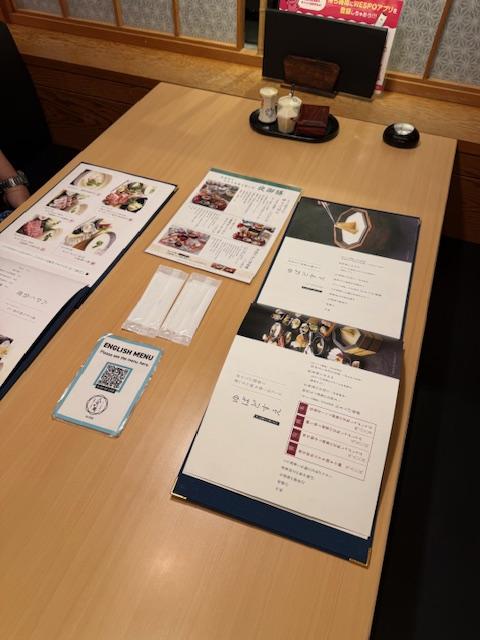
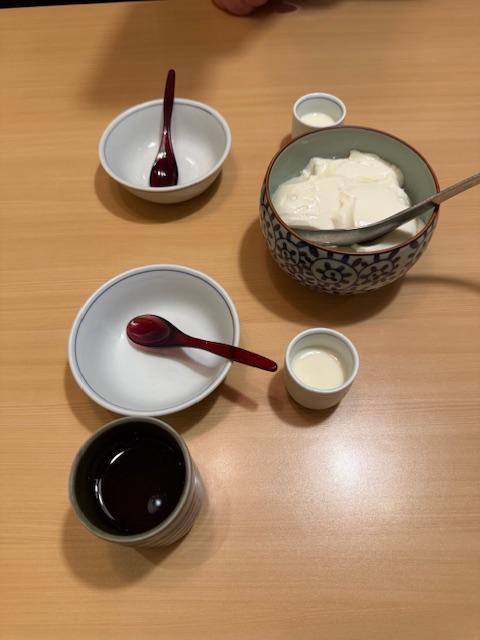
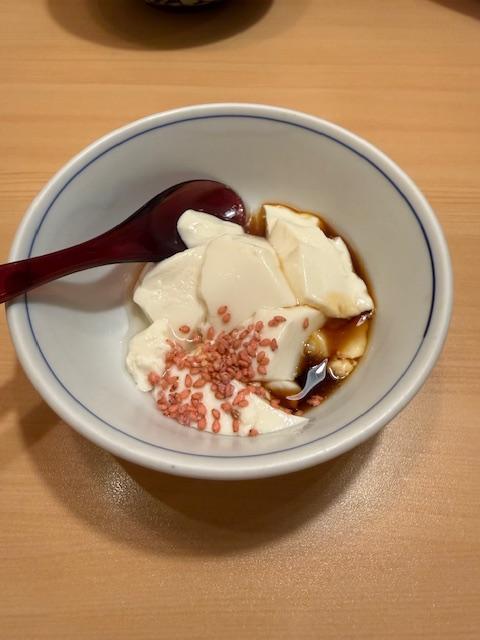
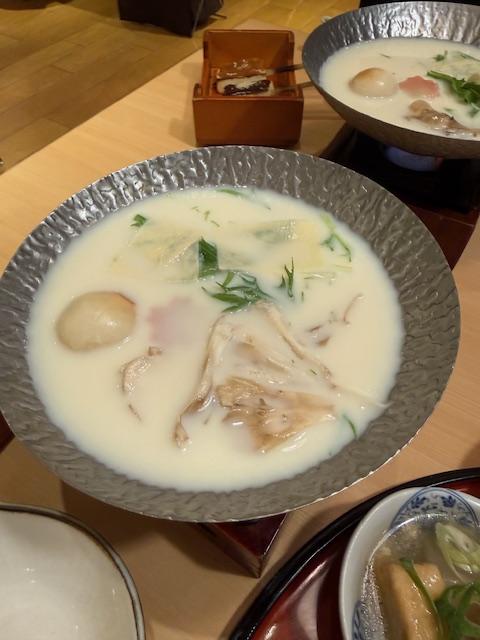
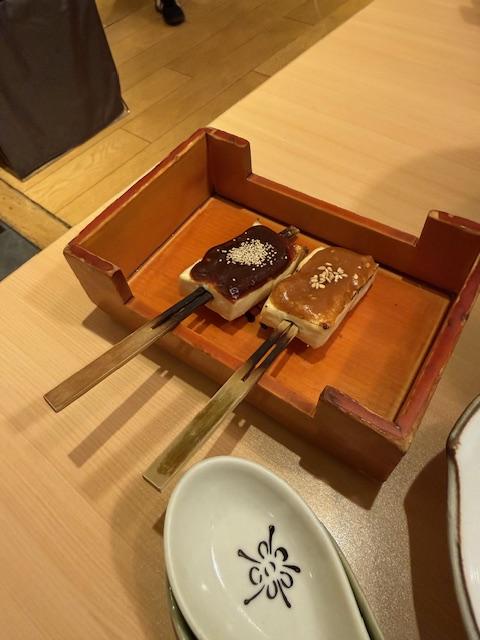
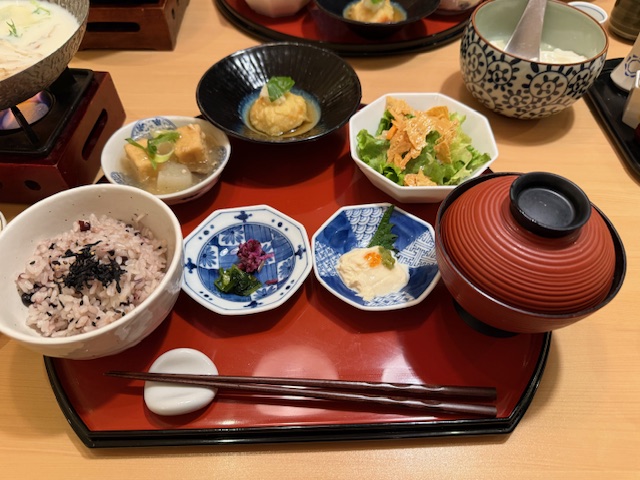
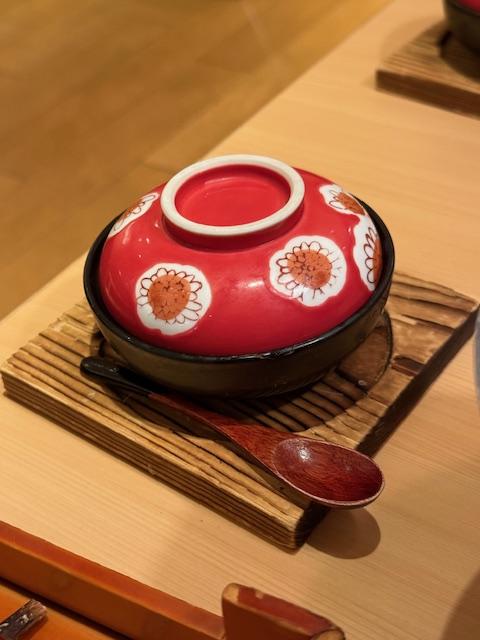
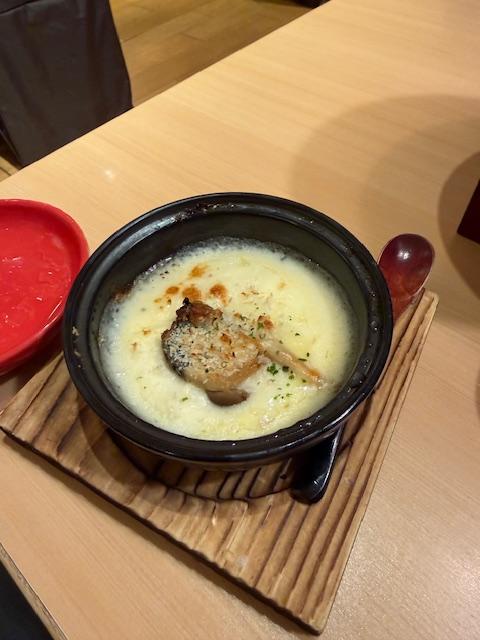
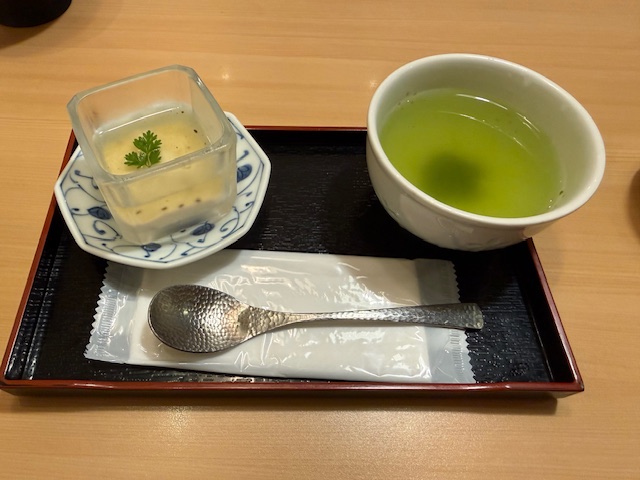
Here we enjoyed an incredible 10 course Kaiseki multi-course tofu dinner at Hakkakuan that featured freshly made Oboro tofu, raw yuba sashimi, fried yuba salad, tofu dengaku, Atsuage (thick tofu), Deep-fried Tofu shinjo, Kyoto tofu soy milk pot, Namafu soy milk gratin, plus five grain rice, pickles, miso soup and a tofu-based dessert.
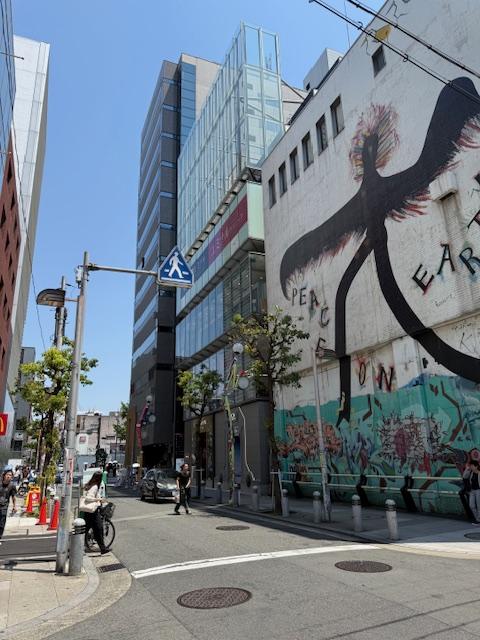
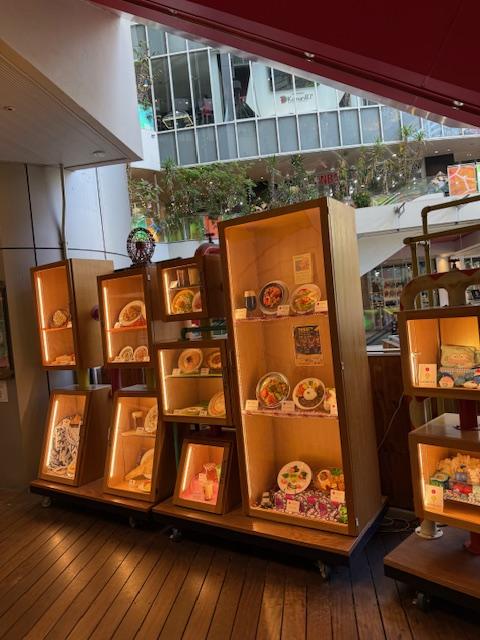
Walked through the city and visited the Nishishinisaibashi district and saw one of the many plastic fake food displays that are all over the city as it is a big industry here.
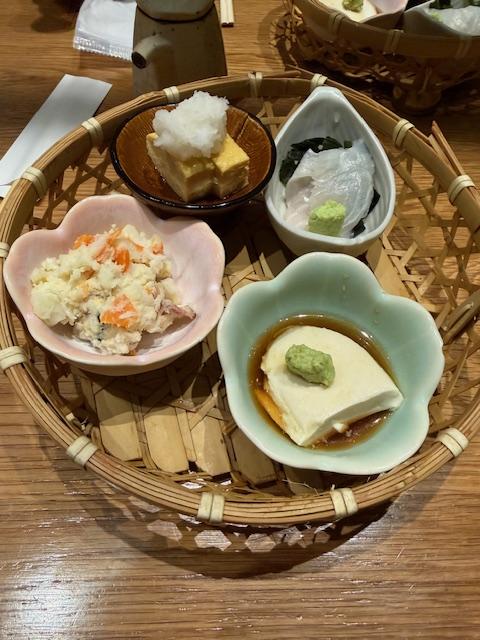
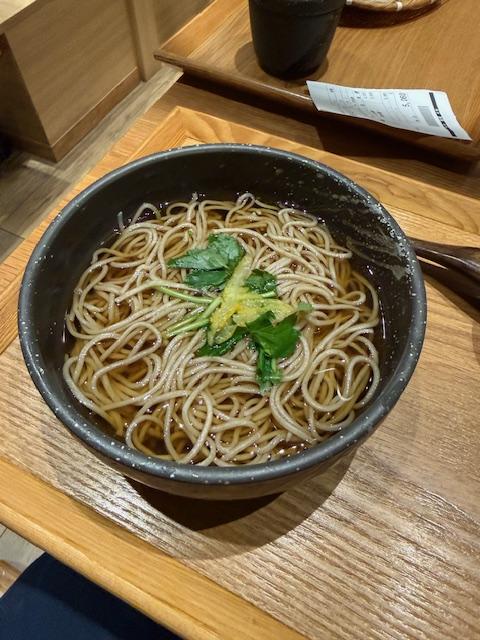
Had a dinner at Sobashiki Soba Noodle Restaurant located in the Namba Dining Maison atop Nankai Namba Station, Sobashiki (operated by the esteemed Naniwa Soba group) is a premier spot for authentic, freshly made buck-wheat noodles. Celebrated for its rich, fragrant dashi broths and artisanal noodle craftsmanship, the menu spans refreshing cold sudachi citrus soba topped with delicate sliced fruit to hearty hot dishes like duck tsukemen, tempura sets, and Okinawa pork soba. The restaurant seamlessly pairs traditional Japanese noodle culture with Osaka’s vibrant dining scene, serving as an accessible culinary stop for both commuters and food lovers craving artisanal comfort food. I loved the selection of Japanese appetizers followed by buckwheat soba noodles in hot broth.
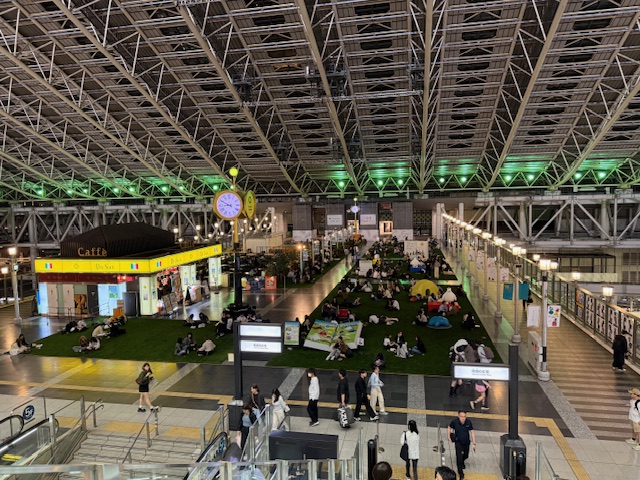
Visited Osaka Station City and its open-air covered park that sits high above the train station.
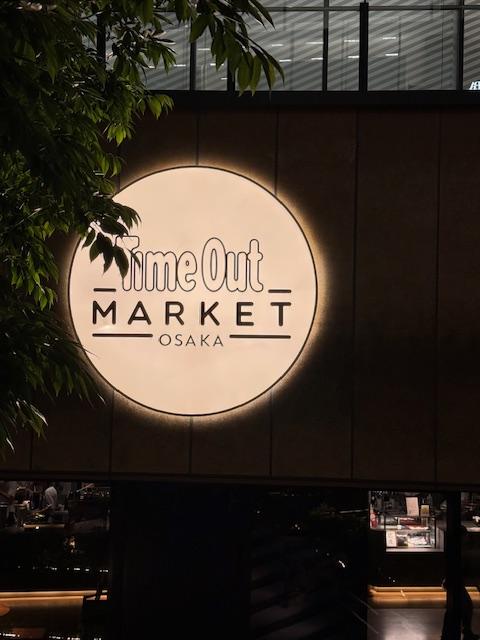
Located on the basement level of the Grand Green Osaka development near JR Osaka Station is Time Out Market Osaka that serves as Asia’s first edition of the global editorial-curated food hall concept. Spanning roughly 3,000 square meters with seating for 800 guests, the vibrant space brings together 17 kitchens and two full-service bars that highlight top local culinary talent and regional specialties. With its communal seating, central stage for cultural events, and easy accessibility, the market offers a polished yet casual destination for groups and solo diners wanting to experience Osaka’s food scene under one roof.
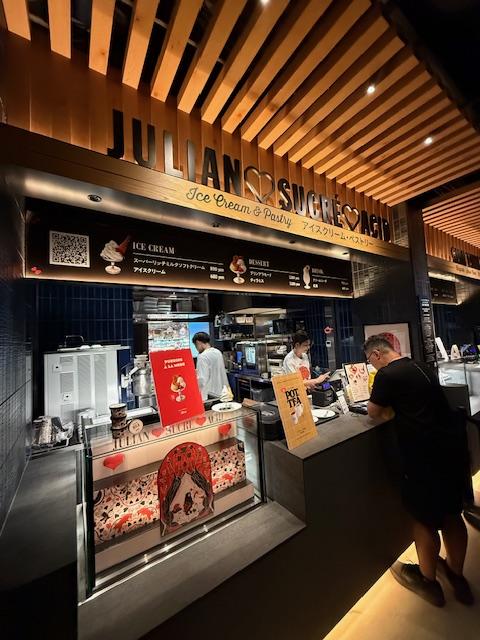
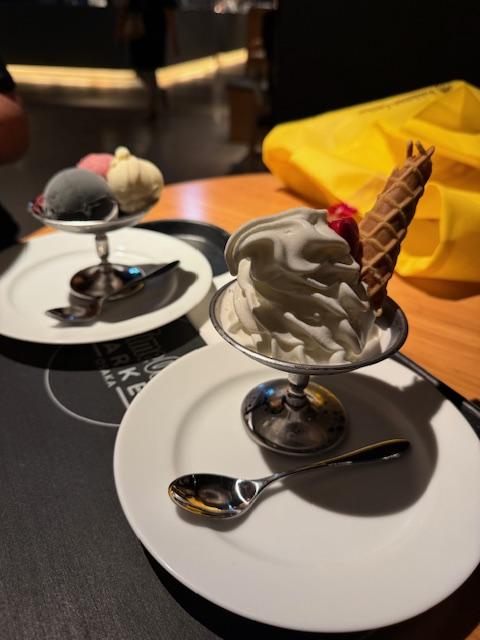
We stopped at Julian♡Sucré♡Acid one of the standout dessert stalls inside Time Out Market Osaka, Julian♡Sucré♡Acid is an inventive collaboration created by three popular local sweets purveyors specifically for the food hall. Specializing in whimsical soft-serve ice cream creations and modern reinterpretations of classic Japanese kissaten coffee shop desserts, the shop crafts indulgent treats layered with crispy pie crusts, rich soft serve, and vibrant fruit or coffee-infused syrups. Its creative desserts offer a playful, refreshing finale to a meal while exploring the surrounding market stall vendors. Here we enjoyed some ice cream before walking to our hotel to end the night.
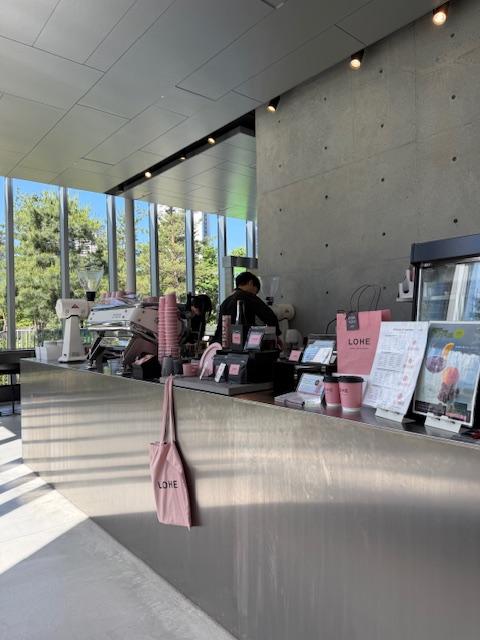
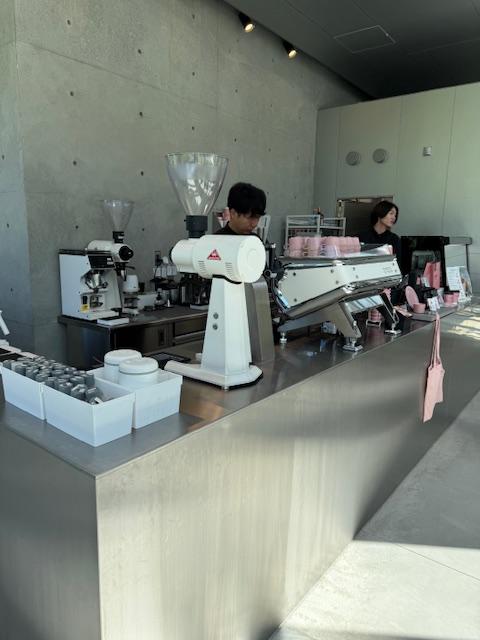
On our last day in Osaka we visited LOHE Coffee & Coffee Cocktail that is situated within the lush surroundings of Grand Green Osaka at Umekita Park, LOHE is an ultra-luxurious, minimalist coffee sanctuary housed in a sleek 360-degree glass pavilion designed under the supervision of renowned architect Tadao Ando. Embracing a “less is more” philosophy, the cafe elevates coffee into an haute-cuisine art form, serving rare competition-grade beans—including legendary Panama La Esmeralda Geisha lots that command premium prices per cup—alongside expertly crafted espresso cocktails, shakeratos, and artisanal toasts. Its serene blend of minimalist concrete architecture, natural park light, and world-class barista craft offers coffee purists an unforgettable sensory experience.
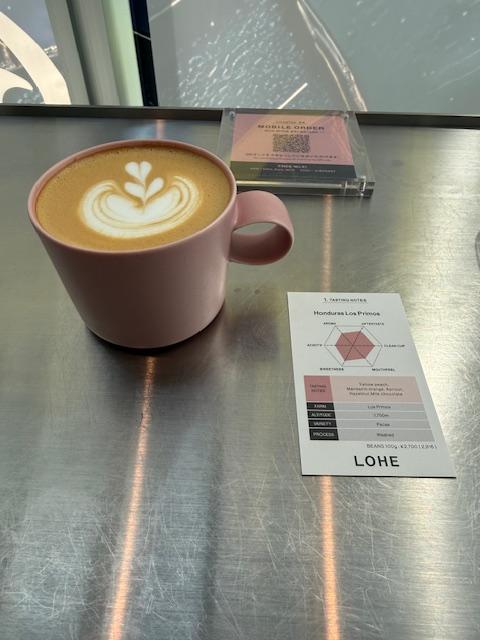
I had a Cortado in this beautiful café.
There are many more great restaurants and cafes and I look forward to discover more on a future visit.
By: Richard Wolak