
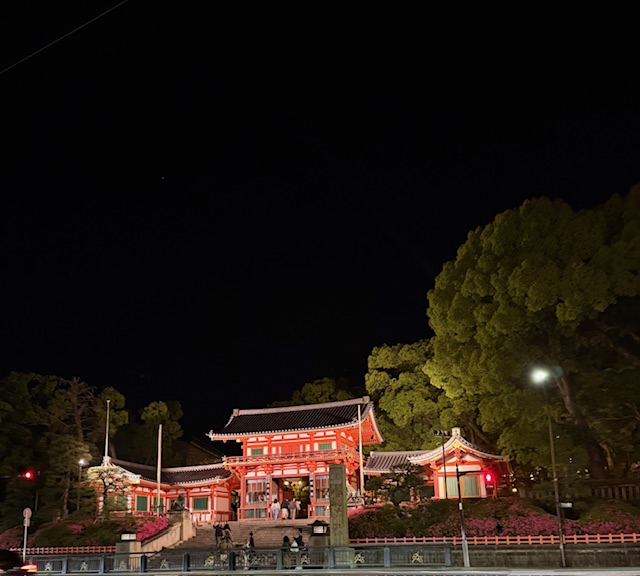
Kyoto’s food scene is a deeply refined art form shaped by over a millennium as Japan’s imperial capital, where culinary tradition, seasonality, and Zen philosophy converge. Renowned as the birthplace of Kyo-kaiseki—a meticulously crafted, multi-course haute cuisine that balances delicate flavors and visual elegance—the city elevates eating into a multisensory cultural experience. Pristine local groundwater feeds its legendary soybean products, yielding unmatched silken tofu (yudofu) and delicate soy-milk skin (yuba), while fertile surrounding fields nurture prized heirloom produce known as Kyo-yasai. Alongside ultra-refined dining, Kyoto embraces warm home-style cooking (obanzai) and Zen Buddhist vegetarian cuisine (shōjin ryōri), both celebrating humble, seasonal ingredients. From the bustling, sensory overload of the centuries-old Nishiki Market to quiet tea houses serving Uji matcha and traditional wagashi sweets, Kyoto’s gastronomy offers an extraordinary bridge between imperial history and modern epicurean craftsmanship.
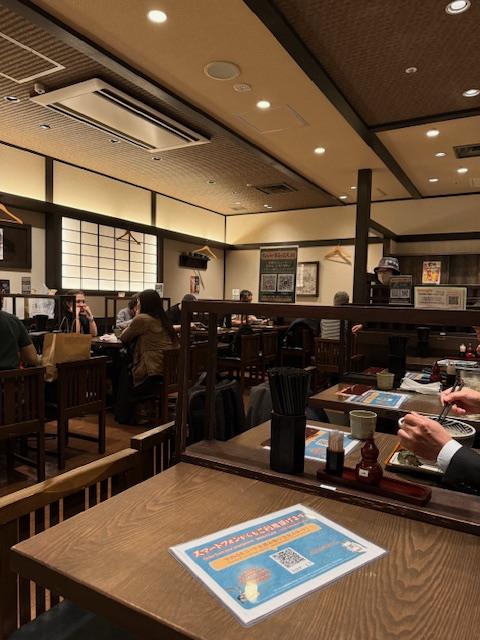
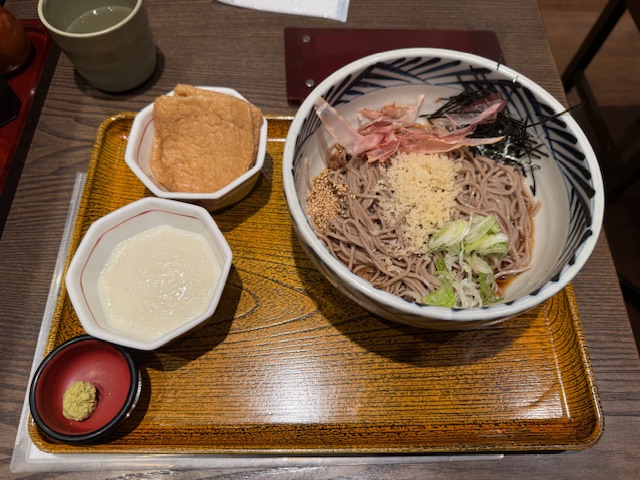
One of the first meals I had after arriving to Kyoto was in the basement of a nearby mall in a local’s spot and I have no idea what the name of the restaurant is in English. I enjoyed a delicious Buckwheat Soba in cold broth. On this trip Lawrence and I toured some of their iconic temples, including the golden Kinkaku-ji Temple. Visited the Gion district, and the Nishiki market as well as numerous eateries.
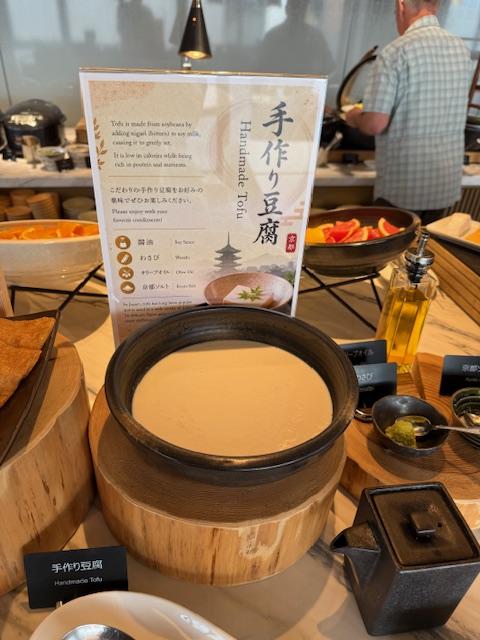
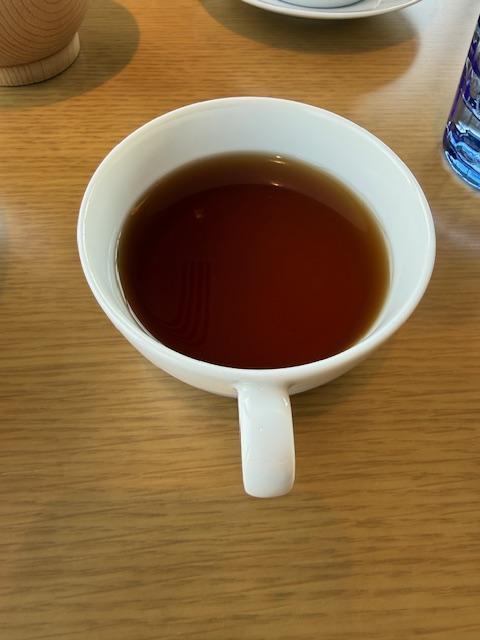
In the executive lounge of our hotel where we had breakfast daily, I had a chance to try their
house-made fresh tofu and roasted green tea.
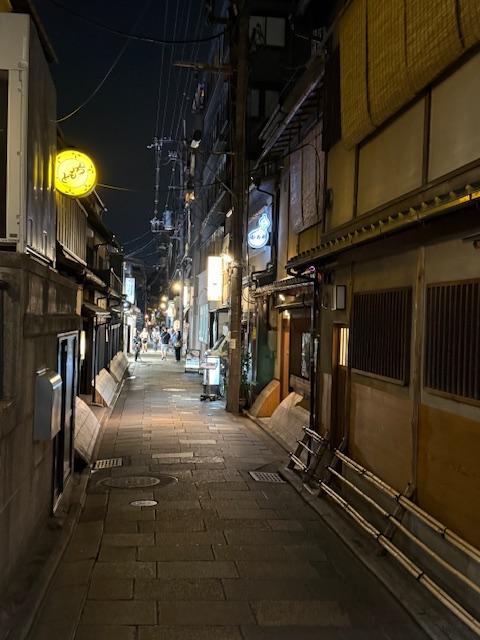
One night we walked Pontocho Alley and decided to stop and have dinner after seeing a sign for a Kaiseki tasting menu.
The restaurant was Ishigama-tei and is a acclaimed riverfront establishment set along the historic banks of the Kamo River, prized for its specialized focus on local Kyoto duck (Kyo-gamo) cuisine. Raised in the nearby, natural surroundings of Tanba, the tender, flavorful duck takes center stage in hot pots (shabu-shabu), stone-oven roasts, and seasonal multi-course meals. With warm wooden interiors and private dining spaces overlooking the water, it offers diners a traditional yet approachable taste of regional Kyoto game cuisine.
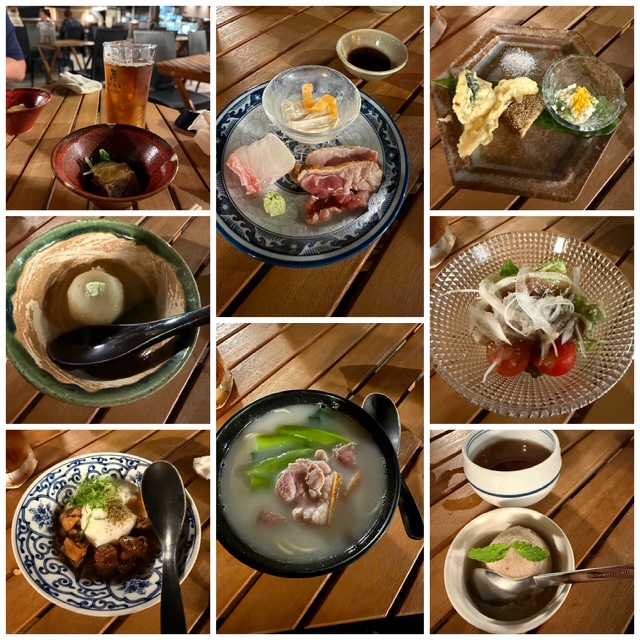
We had a duck themed 8 course Kaiseki multi-course Japanese dinner. Lawrence who loves duck was very happy with the selection of courses.
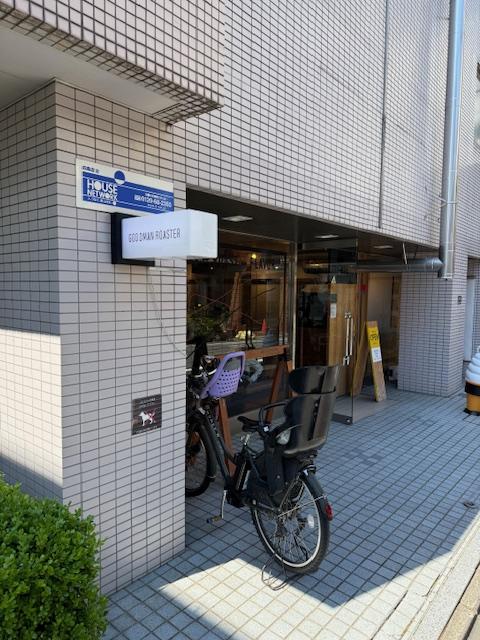
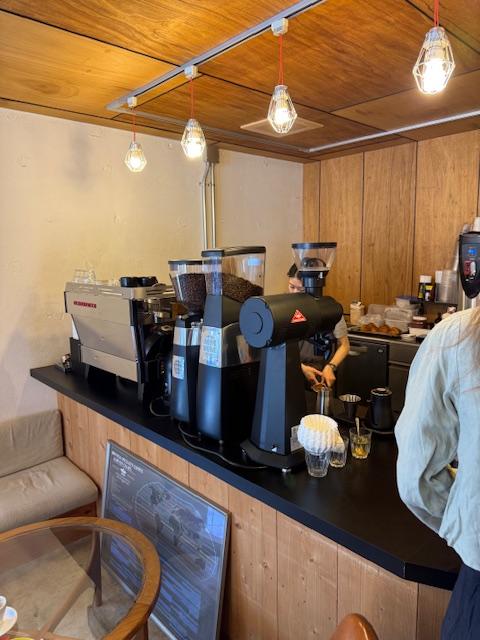
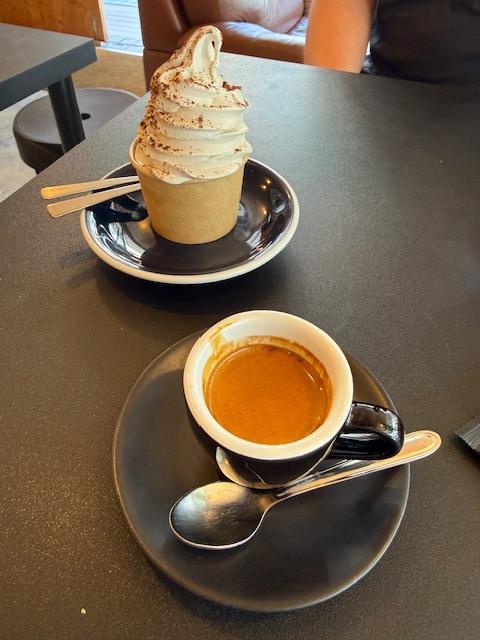
During the day we visited one of the most popular coffee roasters; Goodman Roaster Kyoto tucked away in the backstreets of Shimogyo Ward near Shijo Station, Goodman Roaster is an intimate specialty coffee haven created by a passionate roaster with deep roots in both Taiwan and Japan. The minimalist, no-frills shop puts total focus on the craft of coffee, featuring light-roast single-origin beans—most notably top-tier Taiwanese Alishan coffees alongside exceptional Latin American and African lots. Known for precise pour-overs, complex flavor profiles, and artisanal pairings like espresso-butter toast, it is a favorite spot for true coffee purists seeking a peaceful, unhurried brew. I enjoyed an Espresso and Coffee soft serve.
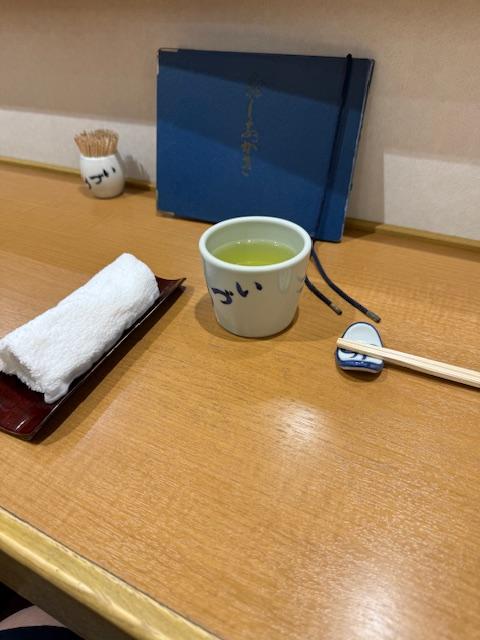
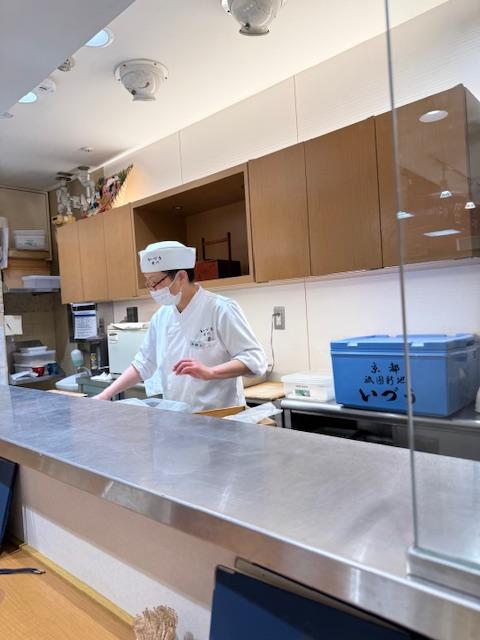
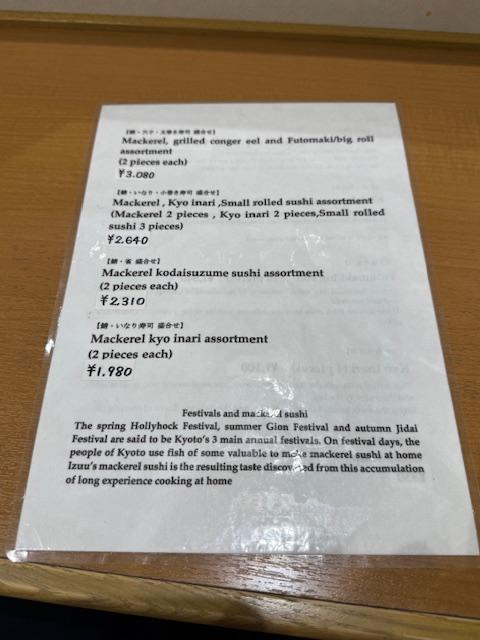
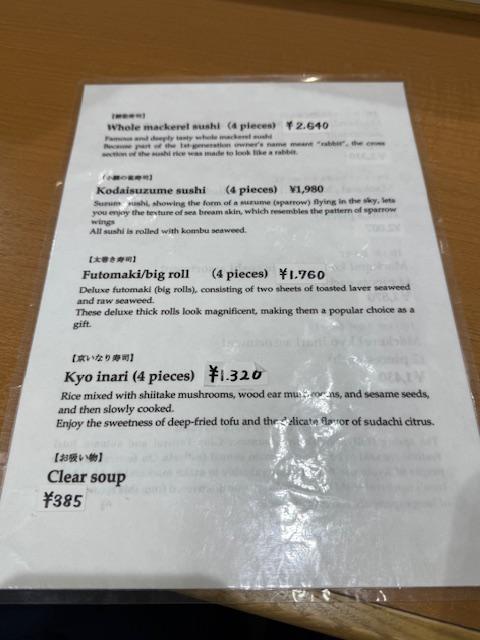
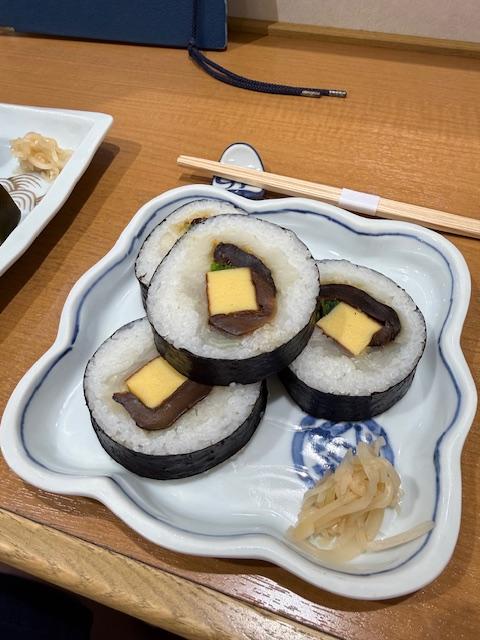
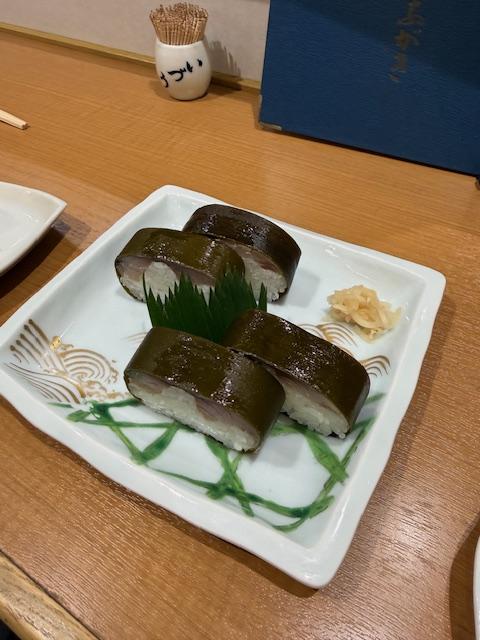
One night we enjoyed Mackerel sushi at a 6 seat sushi bar in the basement of Daimaru Kyoto department store. They had a very short menu with a small selection of dishes.
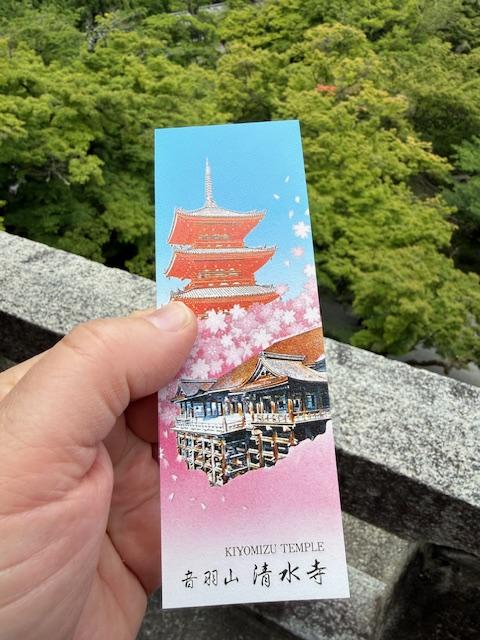
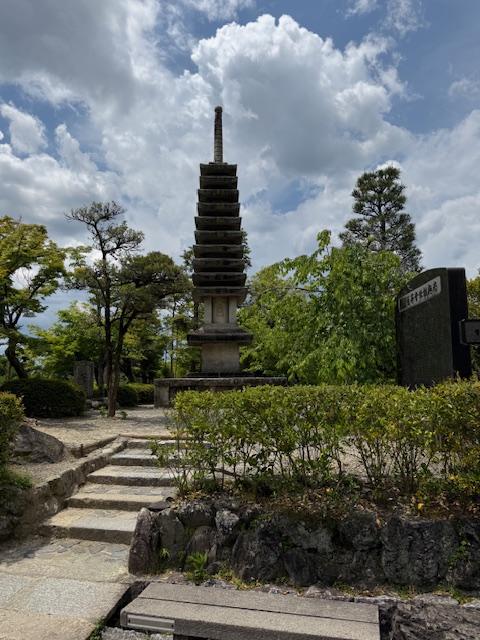
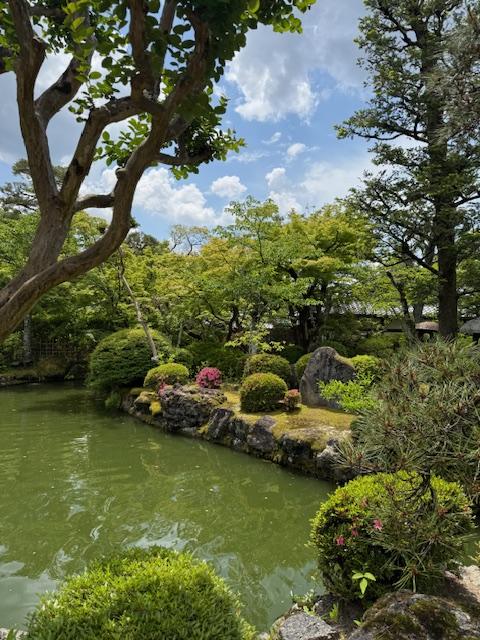
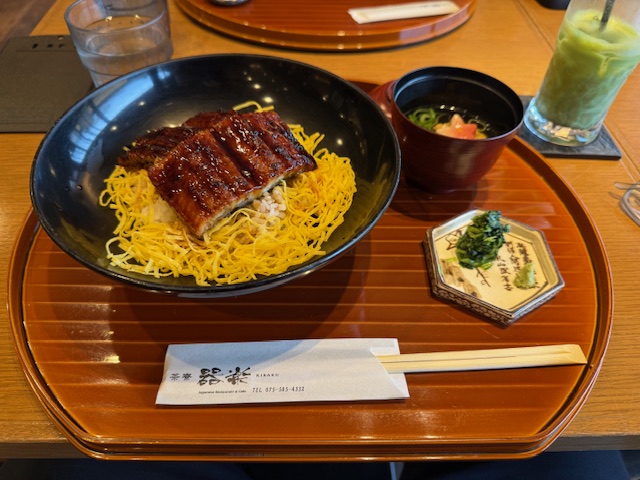
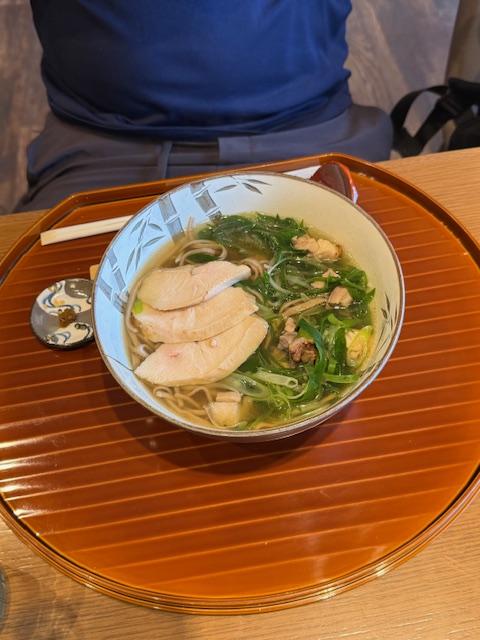
Another day we took a tour of the Kiyomizu Temple and walked around the area and stopped at a traditional Japanese restaurant where I had a Baked Eel Rice Bowl. Lawrence had one of their Chicken Ramen bowls.
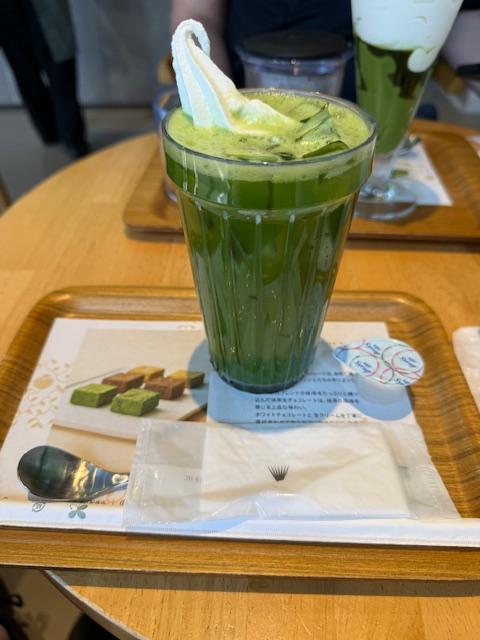
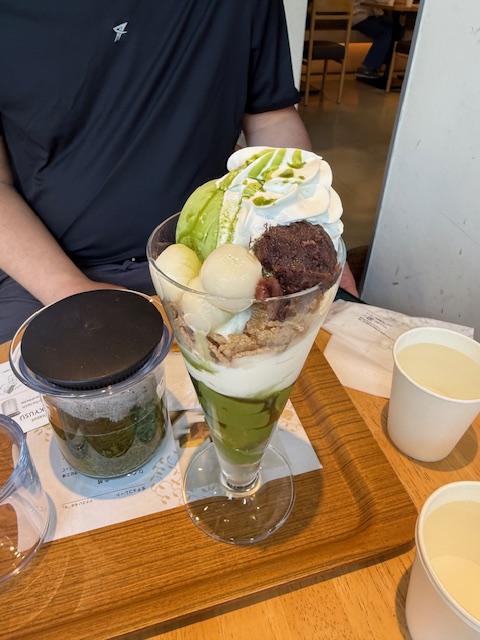
We visited Nana’s Green Tea one of our favourite spots back home in Vancouver that is based in Japan. It’s a popular modern cafe chain born in Japan, Nana’s Green Tea acts as a contemporary “Japanese Starbucks” centered entirely on green tea culture. Sourcing high-grade matcha and hojicha directly from Kyoto’s famed Uji region, the menu blends traditional tea flavors with modern cafe comfort foods. Guests can indulge in decadent green tea parfaits topped with soft-serve ice cream, red bean paste, and mochi, as well as matcha lattes, light savory rice bowls (donburi), and seasonal dashi-based soups in a bright, modern setting. We had some Matcha treats here.
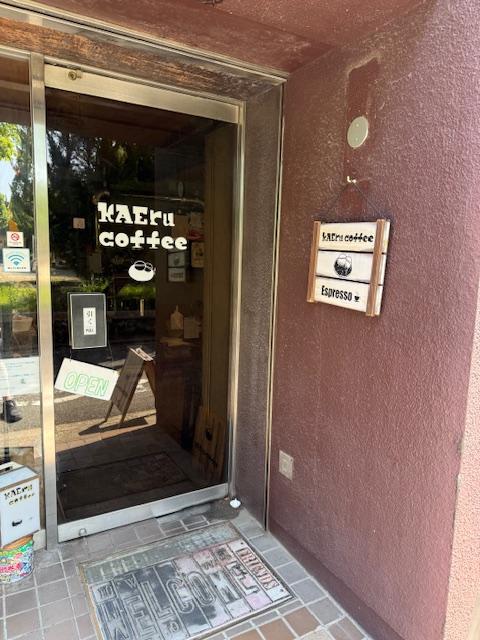
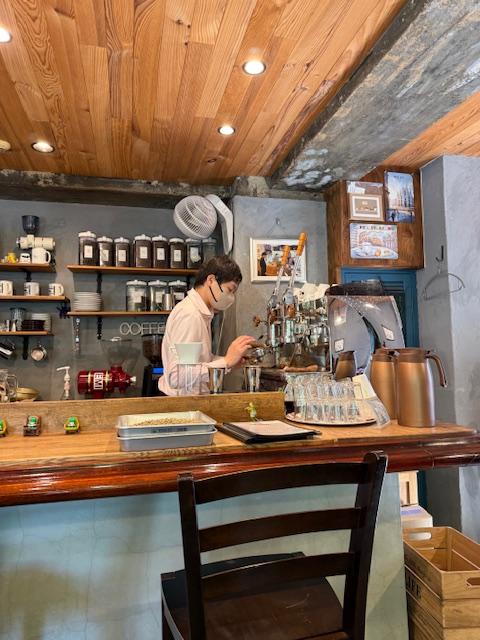
Located just off Gojo Station in Shimogyo Ward, Kaeru Coffee is a cozy, light-filled neighborhood gem housed in a charmingly restored 40-year-old traditional coffee shop space. The cafe is celebrated for its laid-back atmosphere overlooking a leafy local park, alongside a serious dedication to specialty drinks. Equipped with a unique lever-driven espresso machine, the shop roasts its own beans in-house—offering a rotating menu of up to ten single-origin varieties, handcrafted drip brews, smooth milk beverages, and healthy homemade baked goods like savory cake salé and scones.
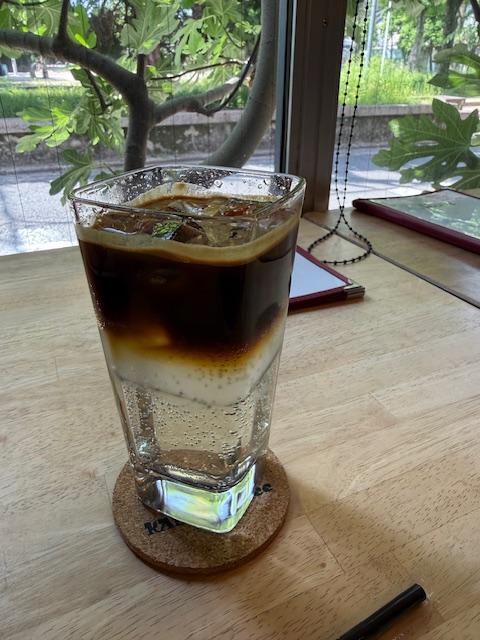
We visited this independently owned café where we had Espresso tonics.
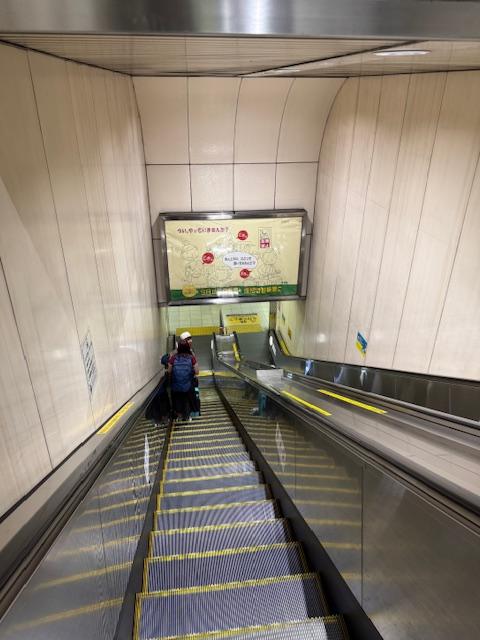
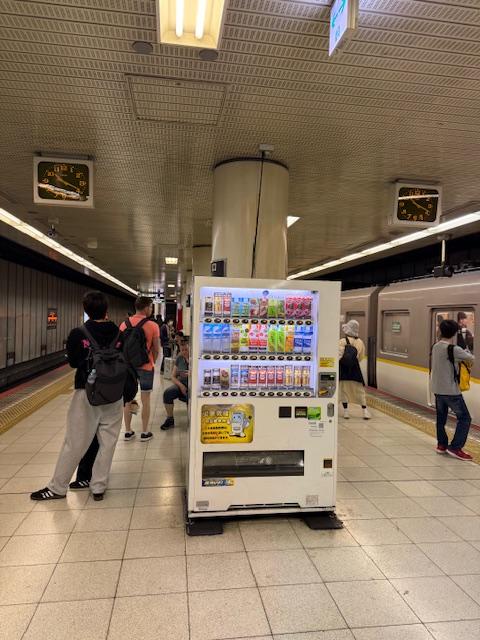
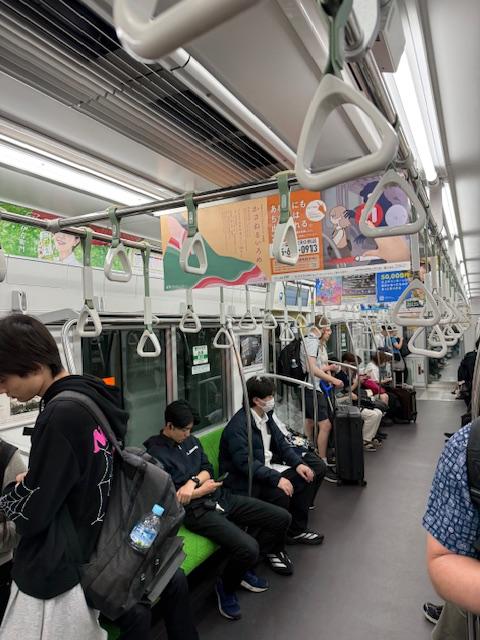

Afterwards we took a train to nearby Aeon Mall.
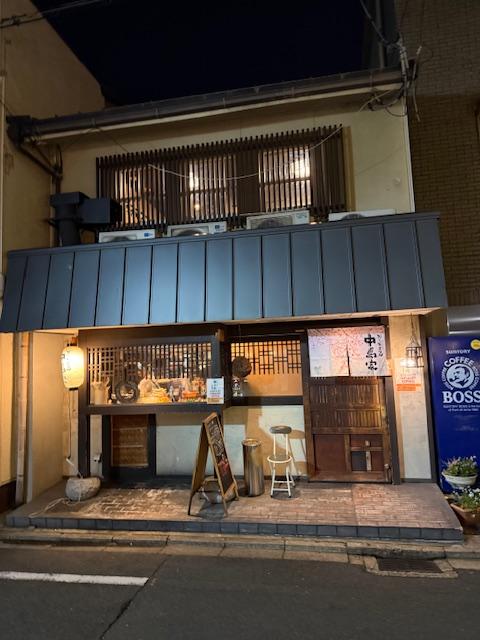
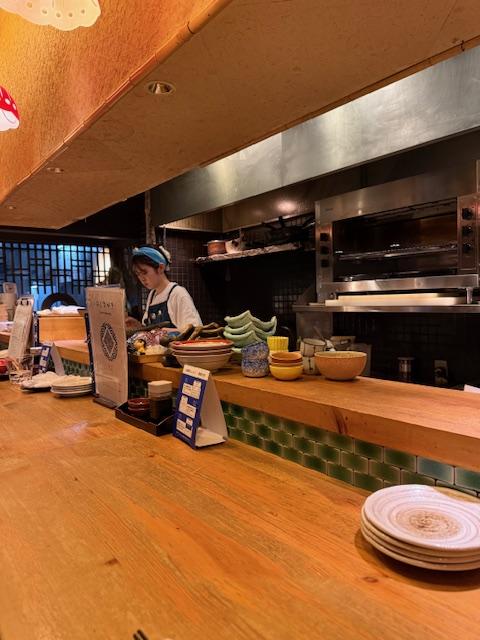
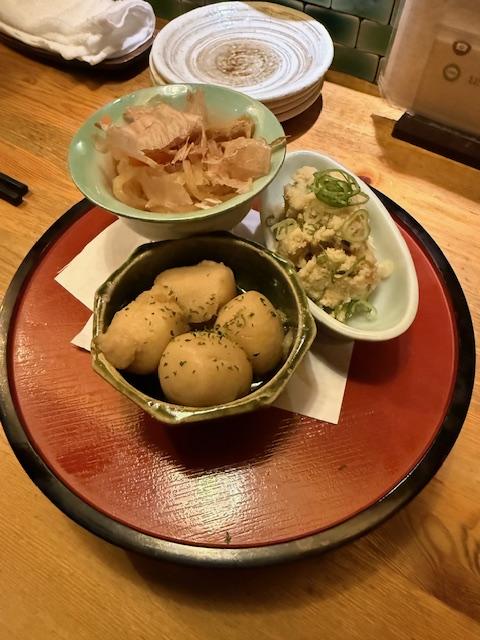
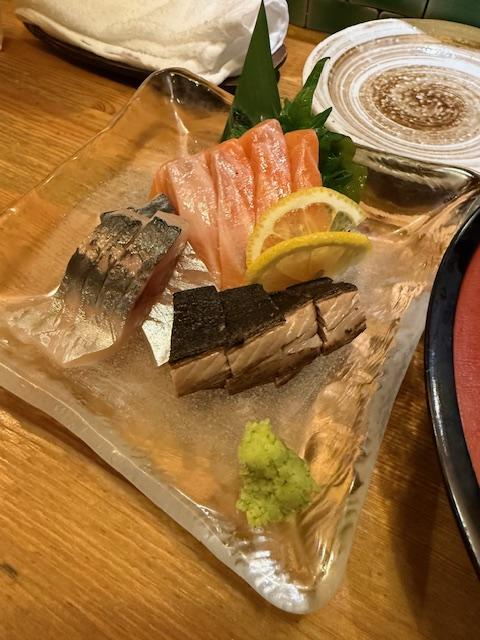
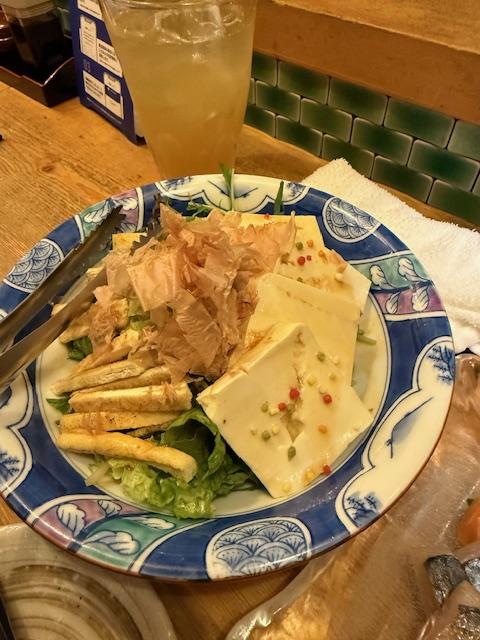
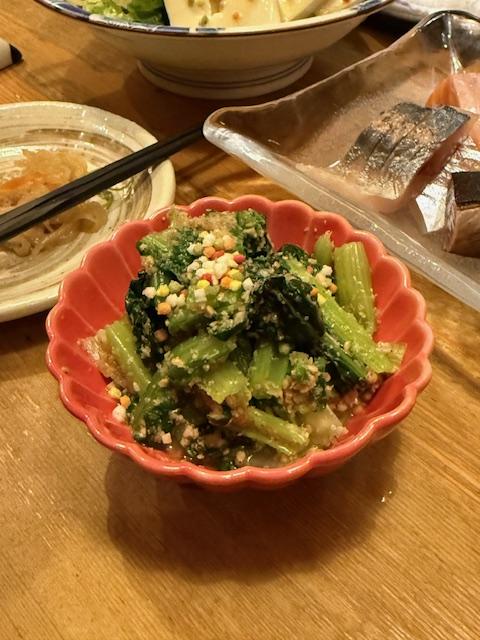
On our last night we experienced a Obanzai traditional Kyoto style home-cooked meal at one of the nearby restaurants.
There are many more great restaurants and cafes and I look forward to discover more on a future visit.
By: Richard Wolak